
Clocklab Academy
Designed to take learning about mechanical watchmaking to an even more hands-on and immersive level.
In-person sessions, small groups, and hands-on benchwork allow you to delve deeper into concepts and transform them into real-world experience with movement, guided step-by-step by industry professionals. Each course is designed to offer a comprehensive and engaging training program, both for beginners and those who wish to consolidate and further develop their skills.
The course takes place at ClockLab Academy, Via Schiavonia 1A/1, 31022 Preganziol (TV).
Duration: 16 hours - 2-day weekend
WatchMaker Experience Course
Maximum 6 participants
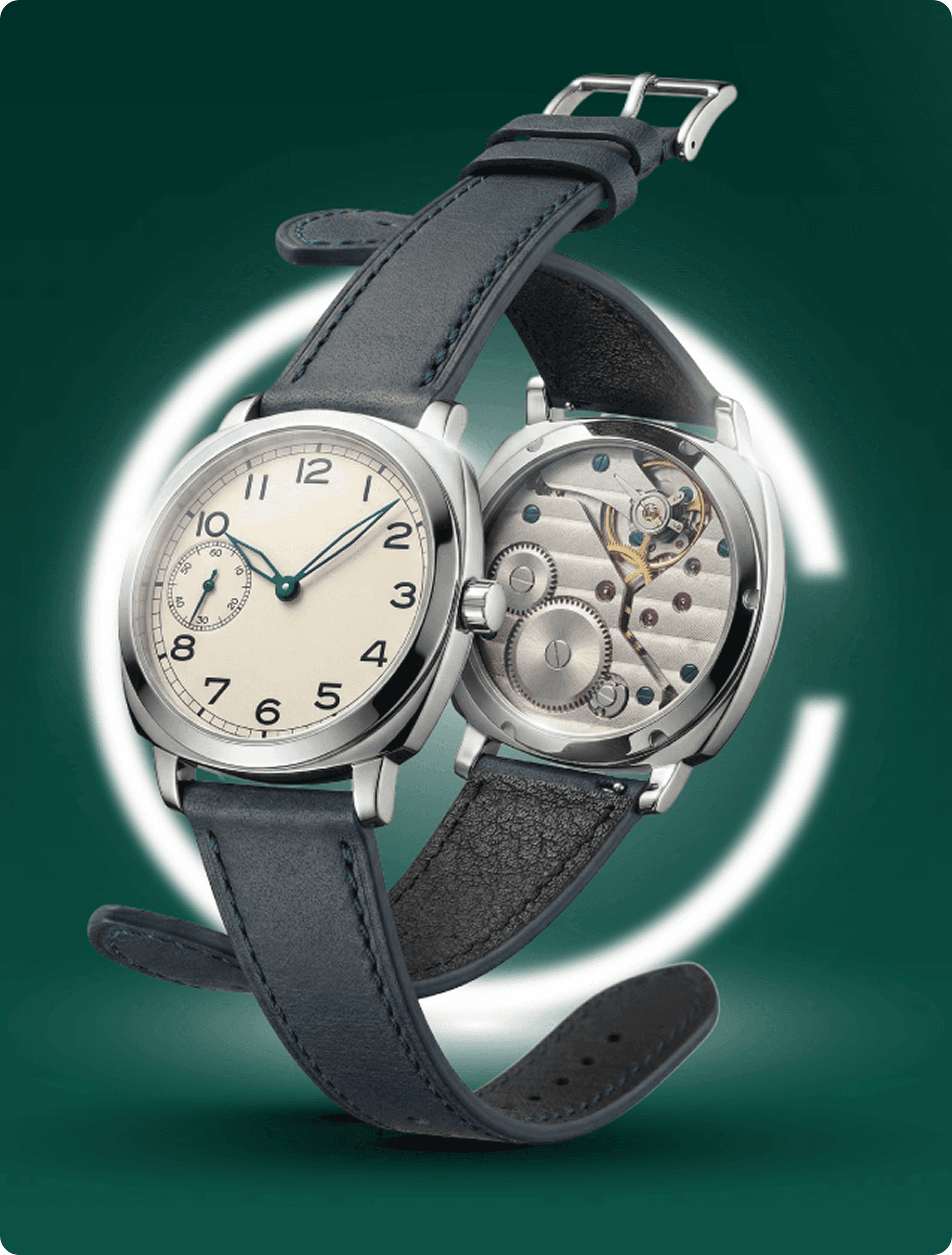
WatchMaker Experience is the course for those who want to take a leap forward: not just understand a movement, but assemble their own mechanical watch and take it home. It's designed for those starting from scratch and seeking a comprehensive, longer, and more in-depth experience than Fundamentals. Over the course of two days, you'll work on a real mechanical movement, learning to recognize the different types of watches, how to use watchmaking tools, and how to follow all the fundamental steps: from disassembly to reassembly, up to the final assembly of the watch. The result is a practical and educational experience that combines technique, dexterity, and personal satisfaction. Your first real contact with mechanical watchmaking.
Training program and operational activities:
Duration: 16 hours - 2-day weekend
Advanced Course
Take your watchmaking skills to the next level.
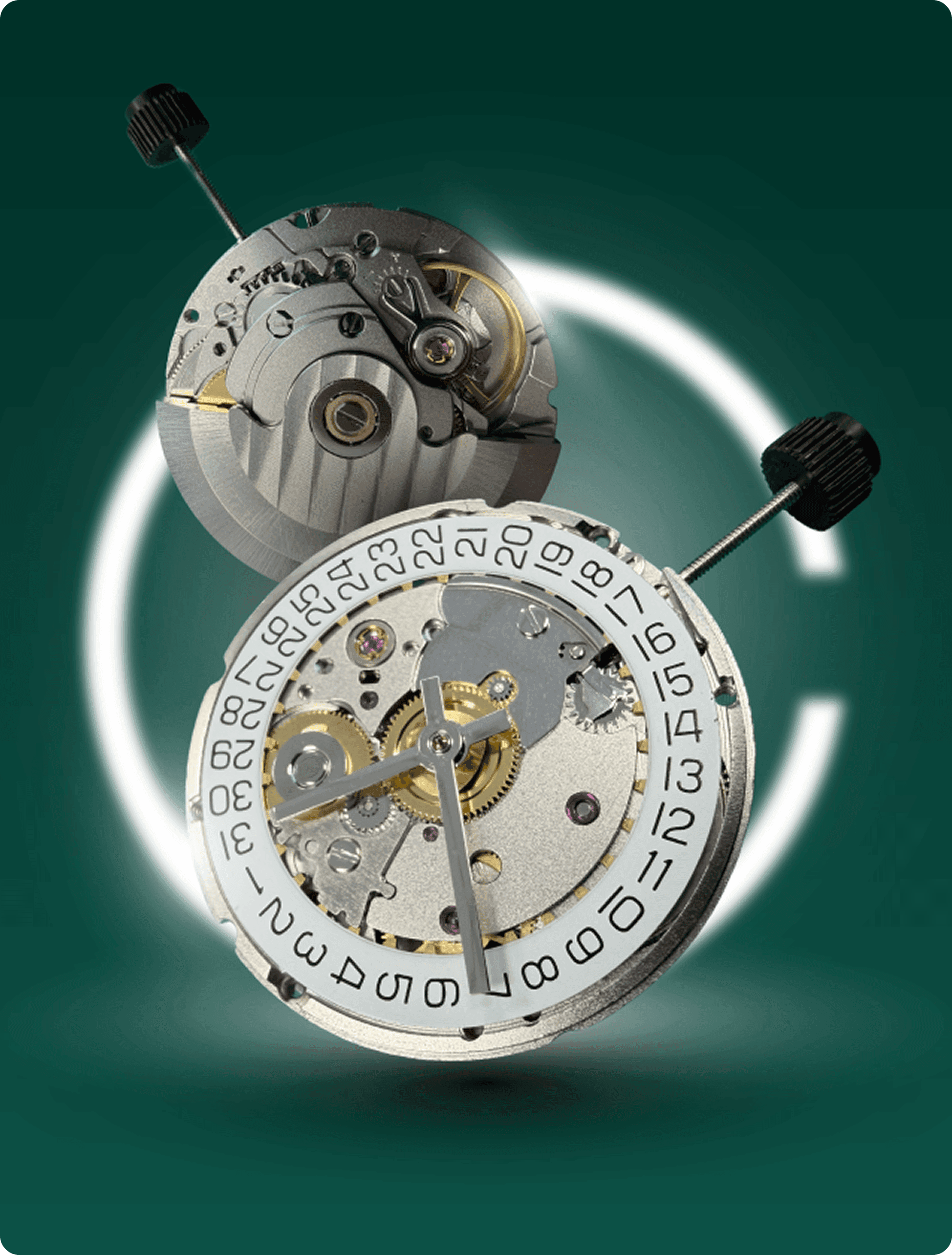
The Advanced course is designed for those who already have a foundation in mechanical watchmaking and wish to deepen their work on a benchmark automatic movement in modern watchmaking: the ETA 2824.2. The course is oriented towards developing greater precision, method, and awareness in bench work, tackling a more complex movement compared to manual-winding ones. During the two days, participants work directly on the ETA 2824.2 caliber, analyzing its structure, operational differences compared to a manual movement, and the specific care required by automatic systems. The focus is on perfecting disassembly, overhaul, and adjustment techniques, with particular attention to the repeatability of operations and the quality of the final result.
Training program and laboratory activities:
Duration: 16 hours - 2 days
Course Chronograph 7750
Theory and complete overhaul of one of the most important chronograph movements in watchmaking
Theoretical in-depth study dedicated to the ETA 7750 caliber, with analysis of its architecture and operating principles;
Guided disassembly of the movement (one per participant) with reference to the functioning of the individual components
Cleaning of components and guided assembly with illustration of all lubrication points and their meaning, in compliance with reference technical standards;
Issuance of the final certificate of participation at the end of the training course.
Our Technical Trainers
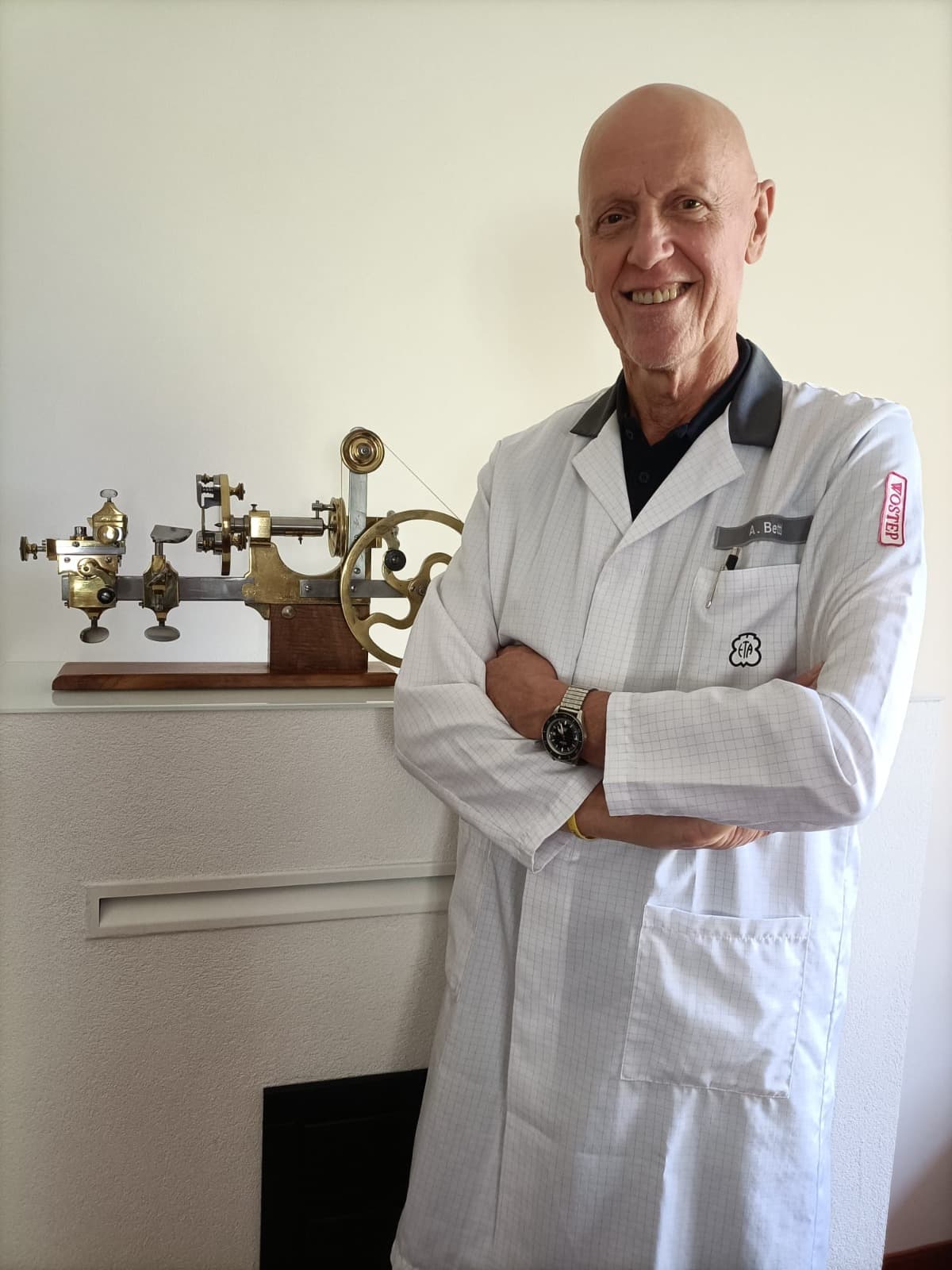
Alessandro Betti
Clockmaker and technical trainer with over 36 years of experience in the sector. After starting as owner of a jewelry and watchmaking shop and laboratory in Bologna, he deepened his training through professional courses in Italy and at the ETA Technical Training Center in Switzerland. In 1990 he attended the WOSTEP Refresher Course of 20 weeks in Neuchâtel, continuing his specialization path until being chosen by ETA as technical instructor at the Grenchen Training Center, a role he held from 1996 to 2020. In almost 25 years of activity at ETA, he has dedicated himself to the training and improvement of professional watchmakers in Italian, French, and English, also holding international technical seminars in Japan, Hong Kong, the United States, Canada, and several European countries. His approach to training places particular emphasis on understanding the operating principles of movements, correct fault diagnosis, lubrication, and work methodologies, with the goal of transmitting not only how to perform a procedure, but above all why it is necessary. Within ClockLab Academy, he makes the experience gained over more than three decades in watchmaking and a career dedicated to professional technical training available to students. "To respect the work means to know the correct methodologies, but above all to understand why it is necessary to follow them."
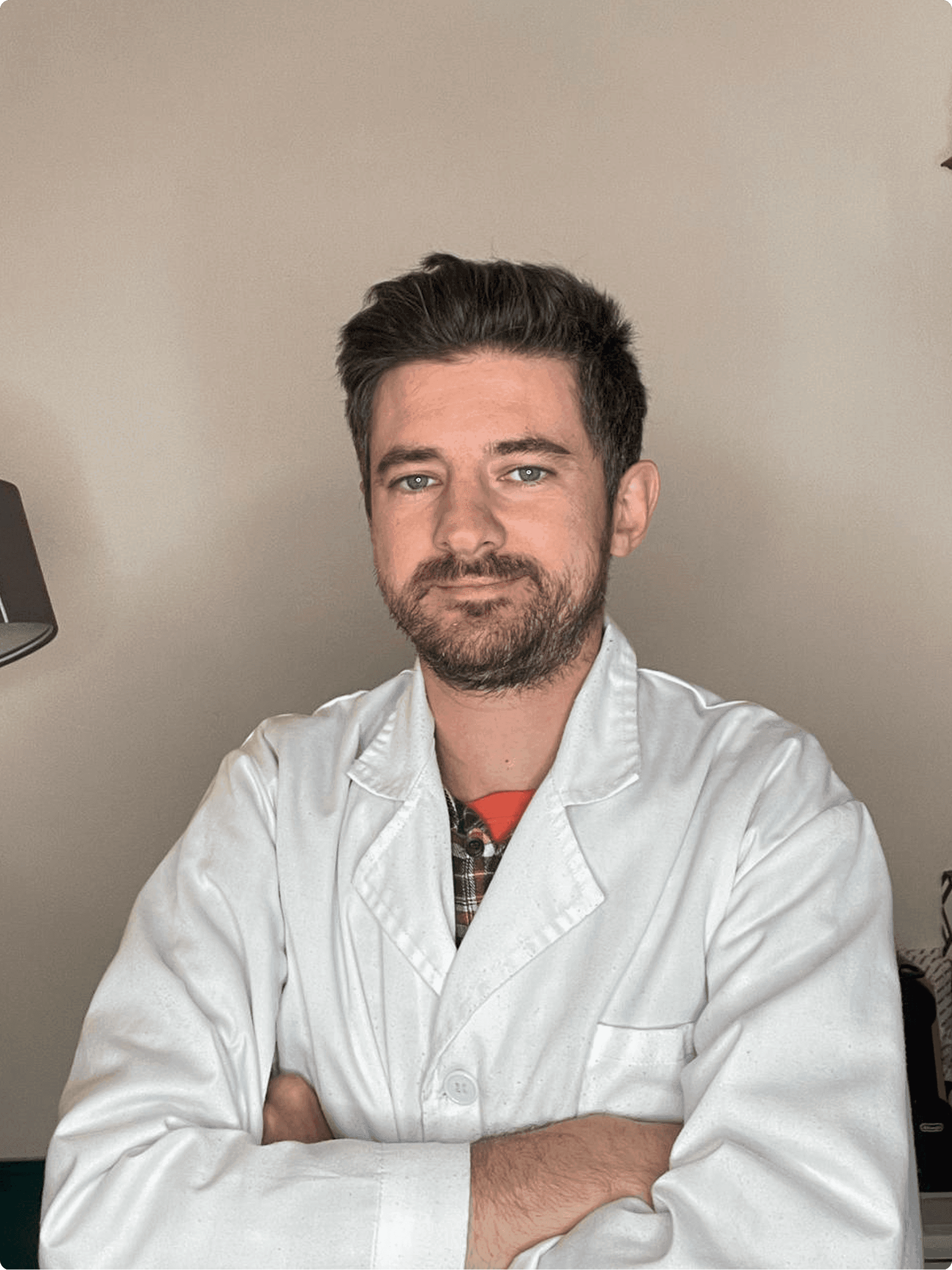
Stefano Colombo
Independent watchmaker with training at the Scuola Orologiai in Turin, where he acquired the fundamental technical and methodological basics of the trade: from movement analysis to the correct use of tools to lubrication techniques. With over thirty years of experience at the bench, he has developed a deep sensitivity in working on mechanical movements, gained through daily practice on hundreds of watches. During his career, he has specialized in the maintenance, overhaul and restoration of mechanical watches, with particular attention to the world of vintage watches and the preservation of the originality of components. His approach to restoration is strongly conservative: each intervention is designed to respect the history of the watch, maintaining its original parts and patina as much as possible. Within ClockLab Academy, he shares his experience by accompanying students in practical work at the bench, passing on method, patience and precision, fundamental elements for truly understanding the mechanics of a watch. 'Every watch has its own story and its own small irregularities: learning to recognize them and understanding when to intervene is something that only time and experience can teach.'
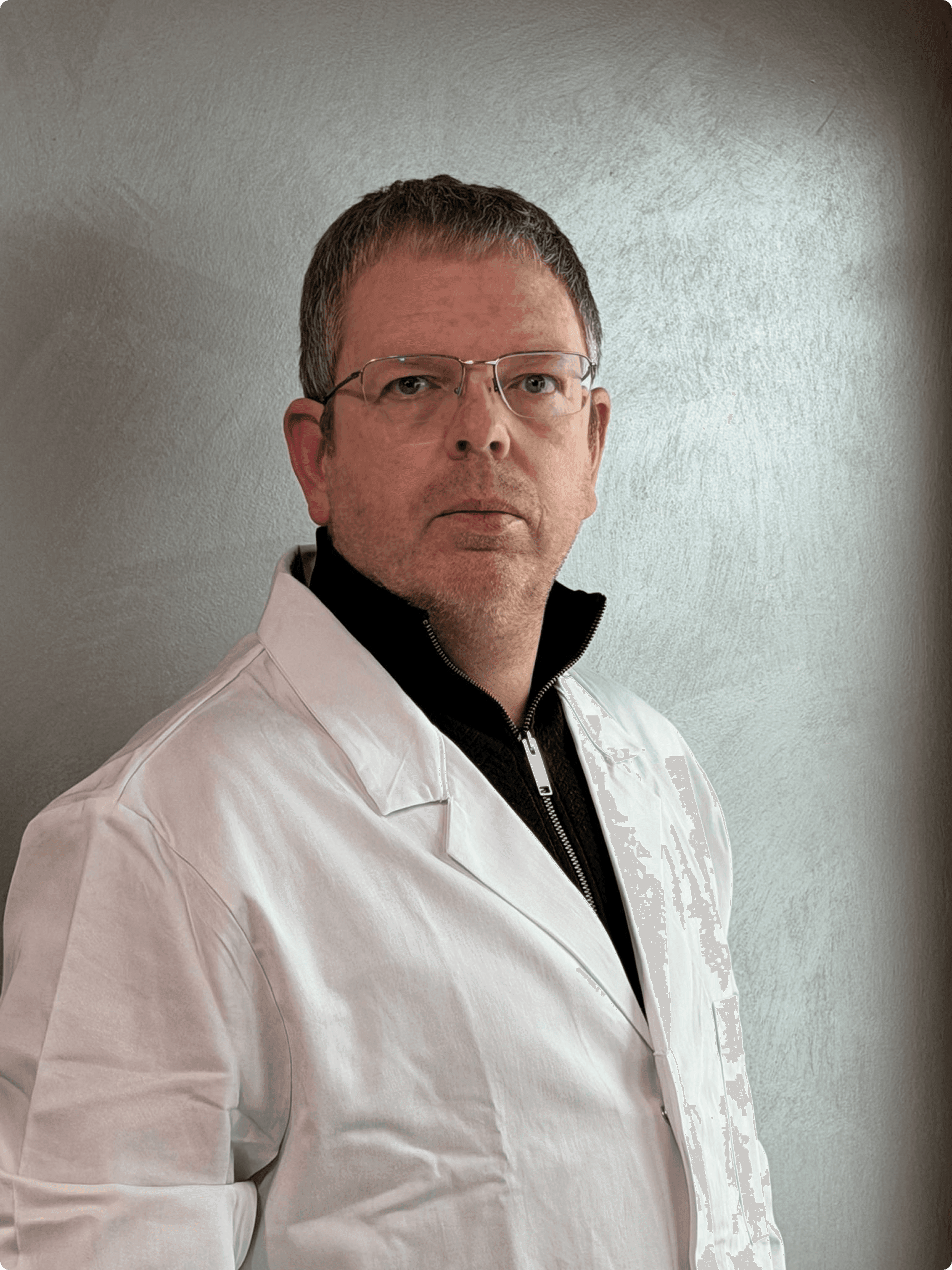
Alessandro Piccolotto
Independent watchmaker, repair technician and restorer with over 40 years of experience in the sector. He began working on his first mechanisms at the age of 14, disassembling clocks with his watchmaker grandfather, from whom he inherited a passion for mechanics and precision. After the first years of practical training, he gained professional experience by attending the CAPAC watchmaking school in Milan and subsequently perfecting his skills in Switzerland, working for Swatch Group, Citizen and Maurice Lecroix. During his career, he specialized in overhauls, restoration, vintage watches, automatic movements, chronographs and complications, and now works in his own independent laboratory. During the ClockLab Academy courses, he accompanies each participant in hands-on work on the movement, passing on not only technique and method, but above all attention, precision and passion for mechanics. 'Precision comes from tranquility: when you work on a movement, only with serenity and concentration can you truly understand how it works.'
Duration: 16 hours - 2-day weekend
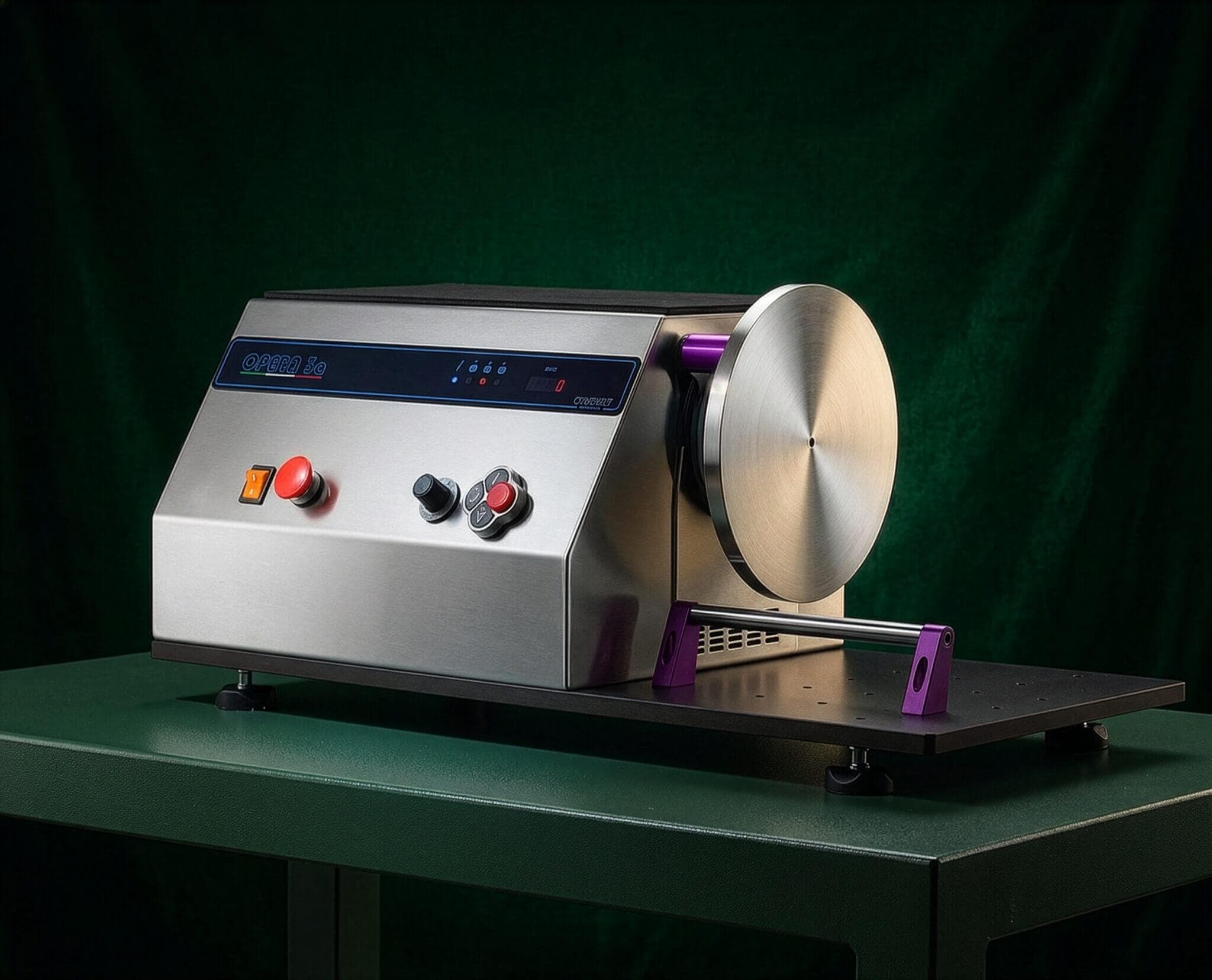
Lapping and Sanding Machine Course
Professional polishing and satin-finishing techniques for watchmaking.
The Lapping course is designed for watchmakers, technicians, and professionals who wish to acquire or perfect the skills necessary to perform professional finishing work on watch cases, bezels, and components. During two intensive days, participants will work directly at the bench, learning the main polishing and satin-finishing techniques, with particular attention to restoring geometries, maintaining sharp edges, and the quality of the finishes. Each participant will have their own dedicated lapping machine for the entire duration of the training, ensuring maximum practice and learning time. One of the most specialized and sought-after skills in the watchmaking world.
Training program and operational activities:
Our Technical Trainers
Adriano Bernardi
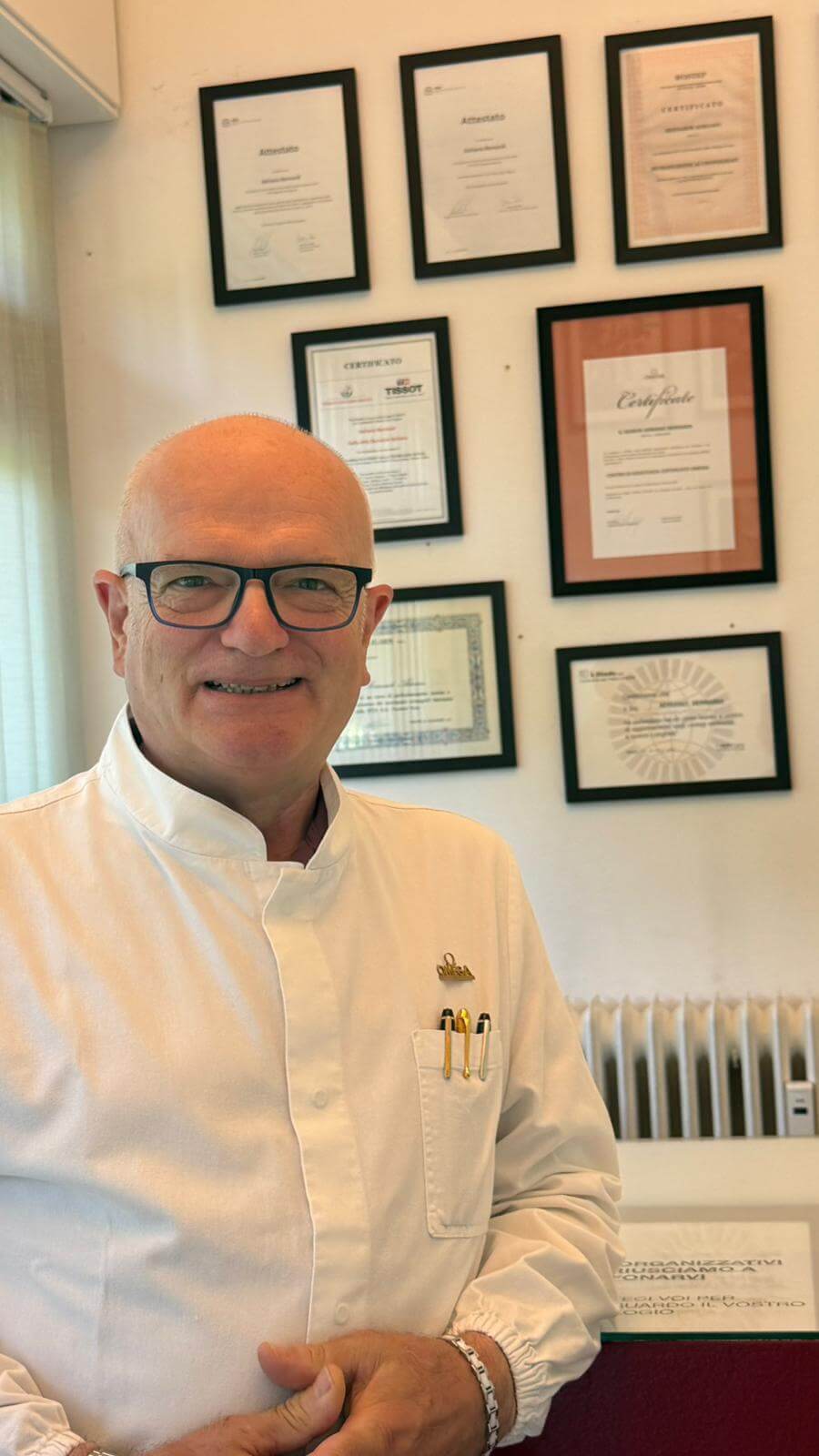
Adriano Bernardi represents the third generation of a family active in the watchmaking and repair sector, with over 45 years of experience gained directly at the bench. He began his professional journey in the family workshop, perfecting his skills over the years through specialization courses and constant technical updating. He is a Level 3 certified technician for Omega, Longines, and other Swatch Group brands, a qualification that demonstrates a high level of expertise in the maintenance and restoration of luxury watches. Throughout his career, he has developed particular expertise in the restoration and recovery of vintage watches, even reconstructing components when necessary to preserve the integrity of the original timepiece. Within the ClockLab Academy, he brings a highly practical approach based on the experience gained over decades of activity. His goal is to convey not only operational techniques but, above all, the ability to understand the limits within which to intervene, avoiding compromising the entrusted object and building solid professional foundations for the students' future.
Claudio Francini
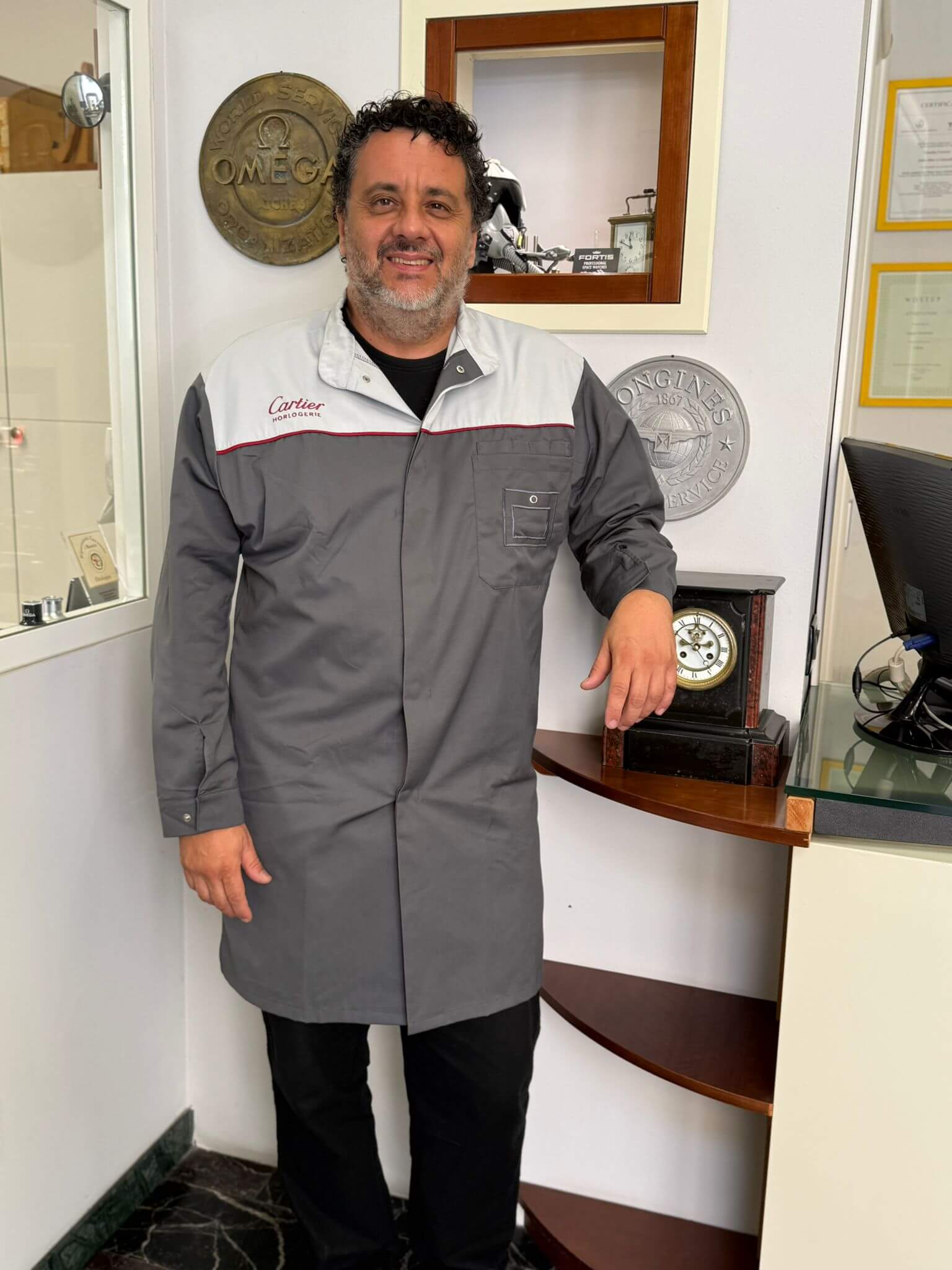
Independent watchmaker trained at the Watchmakers School of Turin, where he acquired the fundamental technical and methodological basics of the trade: from movement analysis to the correct use of tools and lubrication techniques. With over thirty years of bench experience, he has developed a deep sensitivity in working on mechanical movements, matured through daily practice on hundreds of watches. During his career, he specialized in the maintenance, overhaul, and restoration of mechanical watches, with particular attention to the world of vintage timepieces and the preservation of component originality. His approach to restoration is strongly conservative: every intervention is designed to respect the history of the watch, maintaining as much as possible its original parts and the patina developed over time. Within ClockLab Academy, he shares his experience by guiding students through practical bench work, transmitting method, patience, and precision—fundamental elements to truly understand the mechanics of a watch. “Every watch has its own history and its small irregularities: learning to recognize them and understanding when to intervene is something that only time and experience can teach.” Claudio Francini is the owner of the La Clessidra Lab workshop in Livorno and has been operating for over 40 years in the watch repair and restoration sector. He began his professional path in the family workshop, working alongside his father from his early years of activity, and still today practices his profession in the same laboratory, carrying forward a tradition built over decades of bench experience. He is a certified technician for numerous brands of the Swatch and Richemont groups, including Omega, Longines, Rado, Tissot, Hamilton, Cartier, and Baume & Mercier, working daily with high-end watches and handling both mechanical interventions and the restoration of cases and external components. In 2018, he attended a specialized lapping course at the prestigious WOSTEP in Switzerland, deepening professional polishing and finish-restoration techniques, skills he regularly applies today within his workshop. Alongside his professional activity, he collaborates with Prof. Andrea Palmieri in the watchmaking courses of the Municipality of Florence and was appointed as curator of ancient clocks at the Stibbert Museum in Florence, one of the most important Italian museum collections. Within the ClockLab Academy, he brings the experience gained over more than four decades of work, with the aim of passing on to students solid technical foundations, operational methods, and a passion for an ancient art that requires precision, patience, and respect for every single component.
HOW THE CLOCKLAB COURSE IS COMPOSED
Why learning live with a professional watchmaker?
Working on a mechanical movement requires much more than observation: it requires precision, method and manual sensitivity.
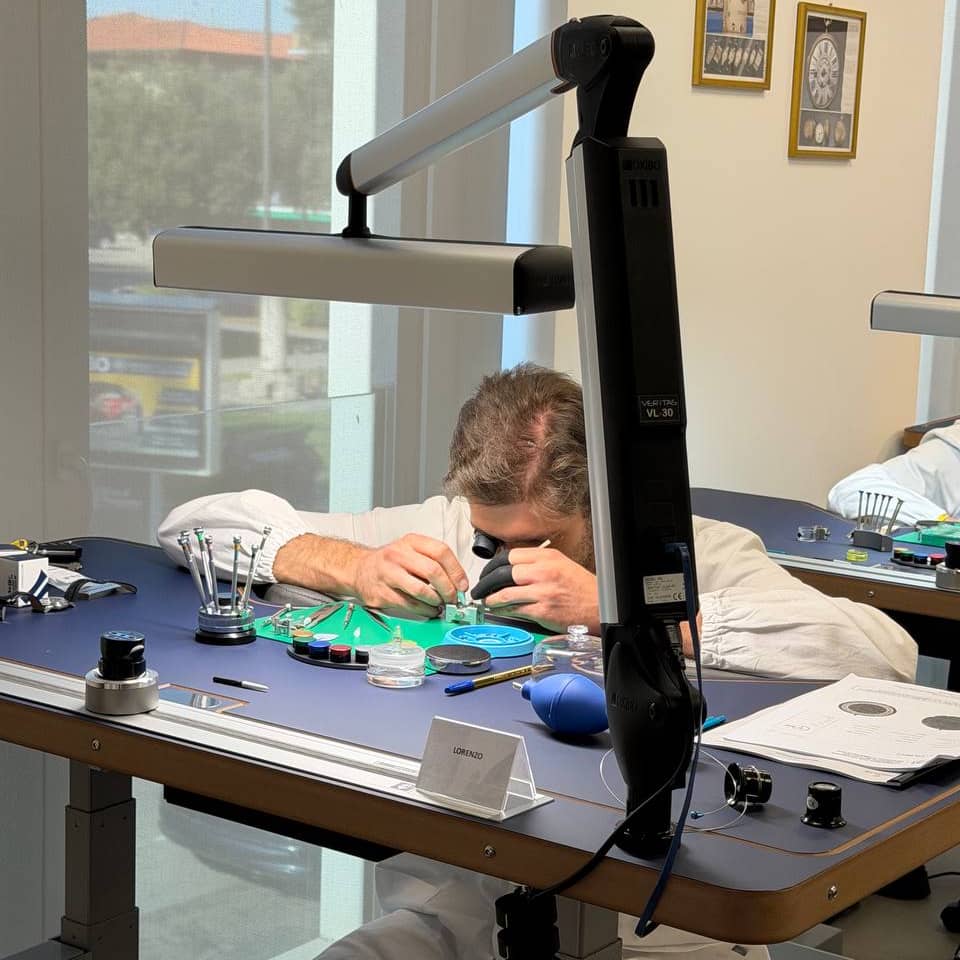
During the in-person sessions, each participant works directly at the bench under the constant guidance of a watchmaker with decades of experience,
receiving immediate instructions on every step.
truly understand how the components work
develop manual dexterity and control of the tools
avoid common mistakes
acquire method and operational safety
Practical training with a professional watchmaker is more effective than theoretical learning.
Collaborators of the Academy
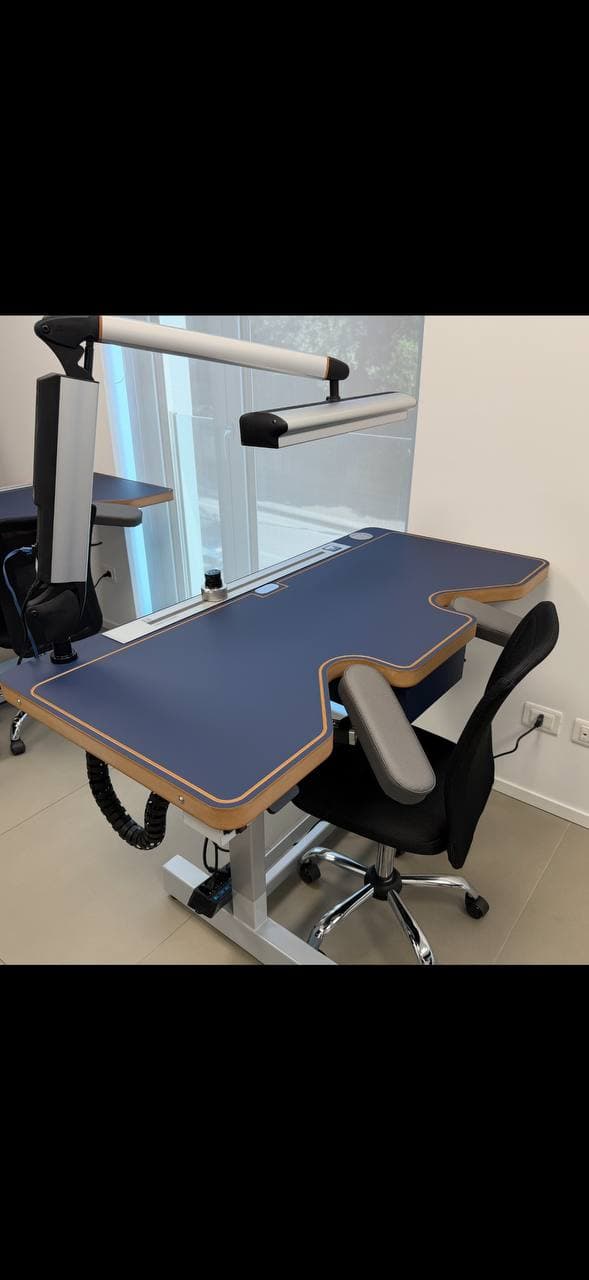

For the workstations we use professional benches made in collaboration with Varini Mario, a company specializing in the design and production of equipment and machinery for goldsmiths and watchmakers, active in the sector since 1960 and recognized nationally and internationally for its construction quality, reliability and technical innovation.
The workstations are designed to offer ergonomics, modularity and operational precision, with customizable solutions, electric height adjustment and advanced technical materials designed for professional laboratory environments.